
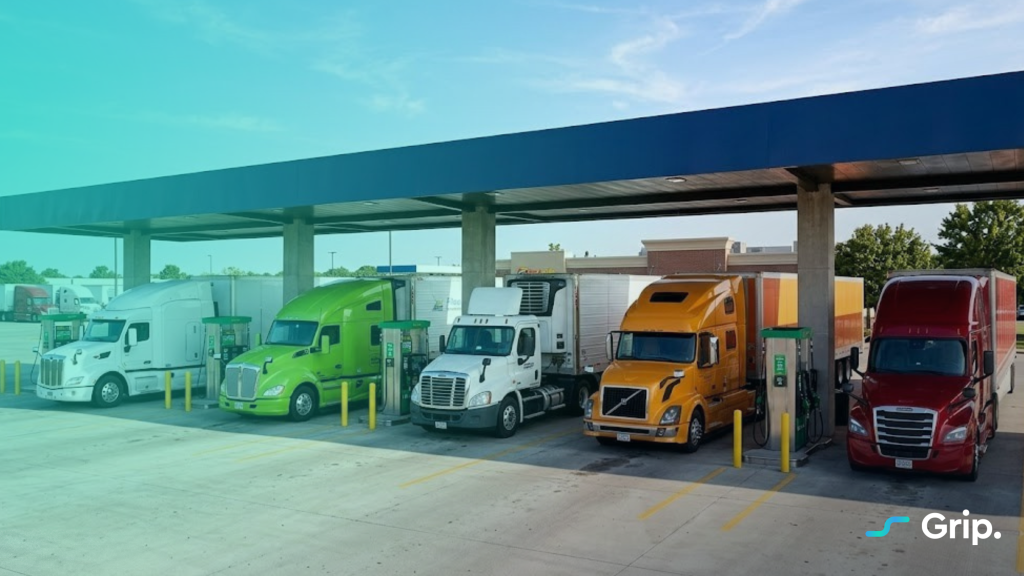
Fuel surcharges are climbing as fuel prices move higher. The ongoing conflict in Iran has disrupted oil supply and created volatility across global energy markets, which is now flowing through to transportation costs.
FedEx and UPS have begun adjusting surcharge tables, and USPS has introduced temporary increases across key services. For brands shipping daily, these changes don’t take long to show up, they hit costs almost immediately.
What makes fuel surcharges especially frustrating is how they’re applied. They aren’t flat fees. They’re percentage-based and layered on top of your shipping costs, which means they scale with everything underneath them. As your cost per shipment increases, the surcharge increases with it. That compounding effect is what turns a small percentage change into a meaningful hit to margins.
Using alternative regional carriers to reduce exposure
One of the most effective ways brands are managing rising fuel surcharges right now is by leaning into regional carriers, and more importantly, using them strategically.
Regional carriers naturally reduce exposure because they operate on shorter routes. Shorter distances mean lower transportation costs, which directly lowers the base that fuel surcharges are applied to. Many regional networks are also less sensitive to the same fuel pricing swings, which helps create more stability in day-to-day shipping costs.
But the real advantage isn’t just using regional carriers; it’s choosing the right one for each shipment. Even within a regional network, performance and cost can vary. Transit times, handoff points, and local network density all impact both cost and reliability.
Smart carrier selection within a regional network takes those variables into account. Instead of assigning shipments to a single preferred carrier or splitting volume evenly, each shipment is routed based on what will be most efficient for that specific destination and set of conditions. That could mean choosing a carrier with a denser network in a given area, avoiding unnecessary distance, or routing around parts of a network that are underperforming.
Dynamic refrigerant
Refrigerant is one of the largest contributors to shipment weight, and in most operations, it’s applied using fixed rules. The same packout gets used regardless of where the shipment is going or what conditions it will face in transit. That approach is understandable (it prioritizes safety) but it also leads to consistent overpacking.
In practice, transit conditions vary significantly. Temperature, distance, and delivery timelines all change day to day. Adjusting refrigerant based on those real conditions allows brands to remove unnecessary weight without increasing risk. This has a direct impact on shipping cost, and because surcharges are tied to that cost, it reduces their impact as well.
Smart Cartonization
Packaging decisions tend to follow a similar pattern. Many brands rely on set box sizes and insulation configurations for simplicity, but that often results in shipments being larger or heavier than they need to be. Even small inefficiencies in box size or material use can increase dimensional weight and drive up cost across a large volume of orders.
Cartonization also plays a major role in split rates. When packaging isn’t optimized, orders are more likely to be broken into multiple shipments, which immediately increases transportation cost and duplicates fees like fuel surcharges across each box. What could have been a single shipment becomes two or three, each carrying its own cost struture.
More precise cartonization takes both of these factors into account. By right-sizing packaging and intelligently grouping items into fewer boxes, brands can reduce dimensional weight while also minimizing split shipments.
Weather-aware routing
Shipping decisions are often made without fully accounting for real-time conditions. Weather, delays, and carrier performance all influence how a shipment will move, but when those factors aren’t incorporated, the default approach is usually to build in extra buffer everywhere. That might mean adding more refrigerant than necessary or selecting faster services as a precaution.
Routing shipments with awareness of real-time conditions allows for more precise decisions. Instead of planning for worst-case scenarios across the board, shipments can be optimized based on what’s actually happening along the route. That helps maintain delivery reliability while avoiding the added costs that come from overcompensating.
How Grip helps reduce total cost
Grip brings both sides of the solution together. It provides access to a network of regional carriers, allowing brands to reduce reliance on any single network and take advantage of shorter routes, lower transportation costs, and more stable pricing across different lanes.
By combining smarter carrier selection with dynamic shipment-level optimization, Grip reduces weight, distance, and unnecessary splits across the network. The total cost per shipment comes down, and because fuel surcharges are calculated as a percentage of that cost, their impact comes down with it.
The bigger picture for DTC brands
Fuel prices will continue to move, especially in moments like this. Surcharges will move with them. That volatility isn’t going away, and it’s becoming a more consistent part of how shipping costs are structured.
Regional carriers offer a meaningful way to reduce exposure, particularly when they’re used strategically across different lanes and geographies. Shipment-level optimization plays an equally important role, reducing the underlying cost that those surcharges are applied to. That’s what ultimately makes fuel surcharges more manageable. Not trying to outpace them, but limiting how much they can affect in the first place.
Grip can help you reduce fuel surcharge impact. Let’s talk: partnerships@gripshipping.com